

Planning solar panel installation in Siliguri becomes easier when you know what a good project should deliver before, during and after the work. Panels are only one part of the decision. Roof condition, electricity consumption, equipment selection, safe access and clear documentation determine whether the proposed system fits your property. This guide helps homeowners and business owners prepare a practical brief, compare installation offers and ask useful questions at handover.
Start by separating your main objective into lower daytime electricity consumption, essential backup, or a combination of both. Shoolin Traders provides solar panel installation in Siliguri for different property types. A site assessment should translate your objective into a defined scope rather than a package selected from the monthly bill amount alone.
1. Prepare an electricity and property brief
Collect recent electricity bills and record monthly consumption in units, also called kilowatt-hours. A full year helps reveal seasonal changes. Note which appliances run during daylight and which operate mainly after sunset. An office with computers running through the afternoon has a different load profile from a home occupied mostly in the evening. Include planned additions such as another air conditioner, a pump or new business equipment.
Record the property address, roof ownership and any access restrictions. For shared buildings, identify who must approve the use of the roof. Tell the survey team about an existing inverter, battery or generator. These details help avoid incompatible assumptions. Photographs taken from safe accessible areas are useful for an initial conversation, but they cannot replace roof measurements or electrical inspection.
2. Check the roof before selecting capacity
Usable roof area differs from total roof area. Water tanks, stair rooms, trees, nearby buildings and maintenance paths all influence the layout. Shadows move during the day and change across seasons. Ask how the proposed arrangement accounts for these obstructions. A layout should show where equipment will sit and how people can reach it later without walking on modules or blocking necessary access.
Discuss roof age, existing leaks, drainage and planned repairs before installation. Mounting details must suit the actual roof and its condition. Structural suitability needs competent assessment where required. Adding more panels is not a reason to compromise access or drainage. Agree responsibility for waterproofing and any penetrations in writing, particularly when roofing and solar work involve different contractors.
3. Match the system to the job
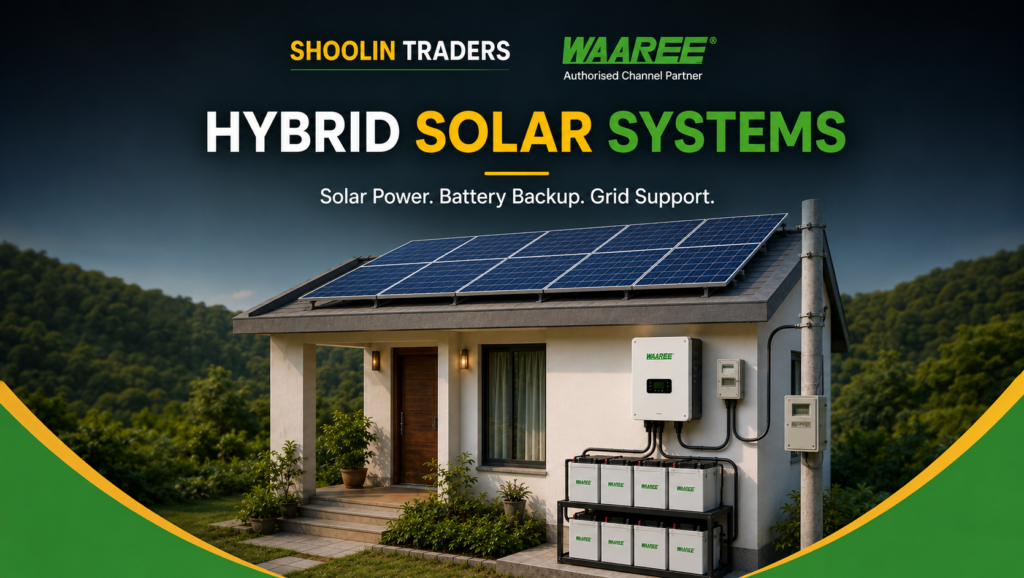
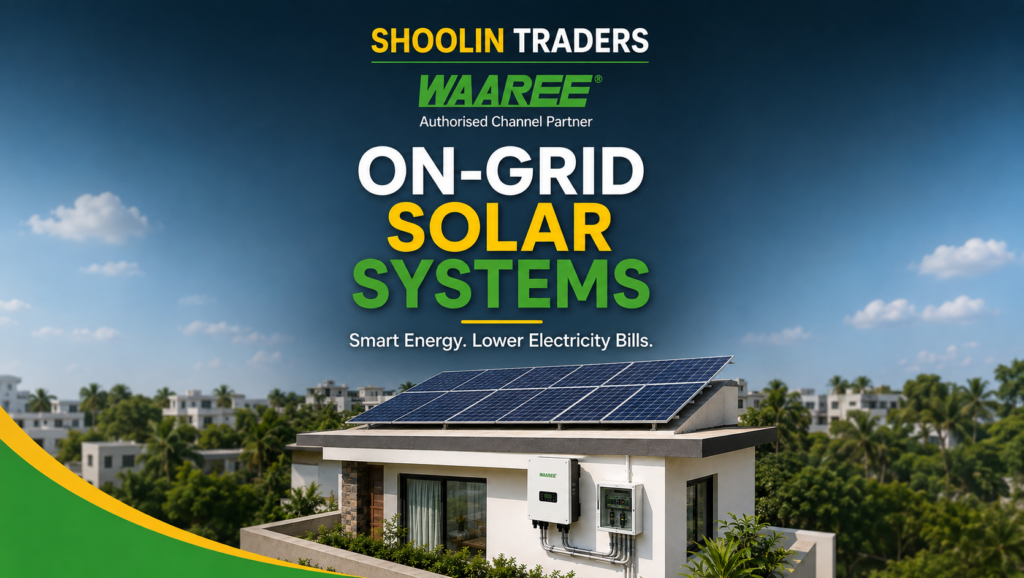
An on-grid solar system in Siliguri can suit properties focused on reducing daytime grid consumption. Standard grid-tied generation stops during a utility outage. If selected appliances must continue running, discuss a hybrid solar system in Siliguri with compatible storage and a properly configured backup circuit. Backup is a separate design requirement, not an automatic feature of rooftop panels.
For a remote location or a defined standalone load, review an off-grid solar system in Siliguri. The designer should calculate energy use, simultaneous appliance demand and required storage. A large panel rating does not guarantee long overnight operation. Choose the architecture first, then compare capacity and cost within that architecture so the quotations answer the same problem.
4. Read a component-wise quotation
A useful proposal identifies module model and quantity, inverter model, mounting arrangement, cable scope and electrical protection. Ask whether transport, civil work, monitoring, testing and connection-related assistance are included. Extra cable length or circuit alterations can change the final amount. Specify how substitutions are approved so a named component does not quietly become an unspecified alternative during installation.
Compare product warranties, module performance warranties and workmanship support separately. They cover different responsibilities. Ask who receives a service request and whether labour, transport and site visits are included. The solar panel dealer in Siliguri page helps with product-selection enquiries, while contractors arranging their own execution can discuss procurement through the solar panel distributor and supplier in Siliguri page.
5. Ask how generation and savings were estimated
Installed capacity is measured in kilowatts; generated electricity is measured in kilowatt-hours. A forecast should account for roof orientation, shading, local weather, equipment losses and downtime. Ask for an annual estimate with seasonal variation. A single sunny-day output should not be presented as the amount you will receive every day, particularly through cloudy or rainy periods.
Bill savings also depend on when electricity is used and the approved treatment of exported power. Fixed charges may remain. Request the assumptions behind any payback estimate, including tariff, maintenance and equipment replacement. Avoid choosing a system solely because two proposals advertise different savings percentages. First check whether both use the same consumption history and comparable generation assumptions.
6. Define approvals and site responsibilities
Connection requirements depend on the property and electricity connection. Confirm the applicable utility process before committing to an export arrangement. The quotation should identify which documents the customer supplies and which application tasks the installer supports. Installation completion, inspection and permission to operate may be separate milestones. Ask for a schedule that distinguishes these stages rather than a single unconditional completion date.
If residential assistance is being considered, verify current eligibility and the required application sequence through the relevant official scheme portal. Show the gross project cost separately from any expected assistance. Do not assume every property or battery package qualifies. A clear payment schedule should explain the customer obligation if approval or disbursement takes longer than expected.
7. Use a practical handover checklist
Before signing off, request the final equipment list, invoice, serial-number records, warranty documents and commissioning information. Obtain access to monitoring and a demonstration of normal operation. Ask what the displayed readings mean and who to contact when an alarm appears. Where backup is included, request a demonstration of the agreed essential circuits and an explanation of equipment limits.
Keep the documents together for future servicing. Agree a route for reporting faults and understand the scope of maintenance support. The wider solar services at Shoolin Traders include assessment and maintenance enquiries. Regular observation of generation trends helps identify a persistent unexplained decline, while electrical inspection and rooftop work should be handled by qualified personnel with suitable access arrangements.
Frequently asked questions
Can a bill amount determine the right solar capacity?
No. Consumption in units, daytime demand, roof conditions and connection constraints are needed. A bill amount alone can hide different tariffs and usage patterns.
Should roof repair happen first?
Discuss known leaks or planned repairs during the survey. Coordinating roof work before mounting can prevent avoidable removal and reinstallation later.
How do I request an assessment?
Contact Shoolin Traders with your location, consumption history and backup priorities. Learn about Shoolin Traders or explore the main solar panel company in Siliguri page to understand the available solutions before preparing your enquiry.