

An on-grid solar system in Siliguri is best evaluated by looking at how your property uses electricity during the day. Two buildings can receive similar electricity bills yet achieve different results from the same rooftop capacity. Their operating hours, shading and consumption patterns may differ. This guide explains the questions that connect a solar proposal to actual use, helping households and business owners build a more useful enquiry.
For equipment and site-assessment enquiries, explore the on-grid solar system in Siliguri service. Begin with the purpose of the installation: replacing some daytime grid purchases with rooftop generation. Battery backup, approved export and bill settlement are separate matters that must be addressed explicitly rather than assumed from the words grid connected.
Understand the flow of electricity
During suitable daylight conditions, solar modules produce DC electricity and the inverter converts it to AC electricity for the installation. Available generation can serve the property’s demand. When demand exceeds generation, grid electricity can supply the balance. Any surplus must be handled within the approved connection arrangement and equipment configuration. A panel rating describes capacity under defined conditions, not constant power delivered all day.
A standard on-grid inverter normally stops operating when the utility supply fails. This protection means panels alone should not be treated as outage backup. A property that needs lights, networking or refrigeration during power cuts should discuss a separate backup design. Clarify this early, because discovering the difference after installation can mean additional equipment and changes to the electrical scope.
Build a daytime consumption picture
Gather monthly consumption in kilowatt-hours and list operating hours for major loads. Offices may use computers, fans and cooling during solar hours. Shops may operate later into the evening. Homes may have daytime occupancy or very little demand until night. These differences influence how much generation is consumed directly and how much may become surplus.
Use available meter or monitoring data where practical. If interval data is unavailable, an appliance schedule still helps the designer ask better questions. Include weekends and seasonal changes. A school vacation, hotel occupancy change or shutdown can alter consumption substantially. Tell the installer about planned equipment additions, because a design based entirely on last year’s usage may not match the coming year.
Illustrate self-consumption without promising savings
Imagine a simple hour in which solar generation averages 2 kW while the property uses 3 kW. Approximately 2 kWh of that hour’s demand could be supplied by solar, with the remaining 1 kWh drawn from the grid, ignoring small timing and conversion differences. If the property instead uses only 1 kW, some generation becomes surplus. This example explains energy balance rather than predicting a particular roof’s performance.
The value of surplus depends on the applicable permission and billing arrangement. Do not assume exported electricity is credited at the same value as imported electricity. Nor should generation be confused with a guaranteed bill reduction. Fixed charges and other components can remain. Ask the proposal writer to distinguish estimated generation, direct consumption, exports and the assumptions used to calculate money saved.
Check the roof and electrical connection together
A roof survey should identify usable area, shade, access and equipment placement. A larger array is not automatically better if additional modules sit in persistent shade or create maintenance problems. Orientation and roof obstacles affect output. Discuss water drainage, mounting and the condition of the roof before finalising equipment. Any structural concerns need assessment for the actual property.
The electrical survey should examine the connection and proposed inverter integration. Sanctioned load, phase configuration and applicable utility requirements can influence the design. Ask which approvals and connection tasks are included in the project. Installation, testing, inspection and permission to export may happen on different dates, so a useful schedule identifies each milestone and the party responsible.
Compare quotations using a common scope
Ask every bidder to state module models, inverter model, mounting structure, cable allowance, protection equipment and monitoring arrangements. Transport, roof work and additional cable runs can affect the total. An attractive per-kilowatt figure is difficult to compare when one quotation excludes tasks included by another. Agree how any component substitution will be documented and approved.
The solar panel dealer in Siliguri page is a useful starting point for model and warranty questions. Businesses procuring modules separately can review the solar panel distributor and supplier in Siliguri service. Supply-only pricing and complete installation pricing answer different requirements, so compare them only after identifying who is responsible for design, commissioning and after-sales support.
Assess annual performance rather than one bright afternoon
Solar generation varies with weather, season, shading and operating condition. Ask for the method and loss assumptions behind the annual forecast. Cloudy and rainy periods can reduce generation, while faults and downtime also matter. A daily figure copied from another property is not enough. Your roof layout and equipment configuration should be reflected in the estimate.
After commissioning, monitor trends over comparable periods. A lower output on a cloudy day does not by itself prove a fault. A persistent unexplained decline deserves investigation. Keep monitoring access, invoice, equipment details and commissioning records available so a technician can review the actual system. Cleaning and inspection should follow safe access arrangements and equipment guidance.
Know when another architecture fits better
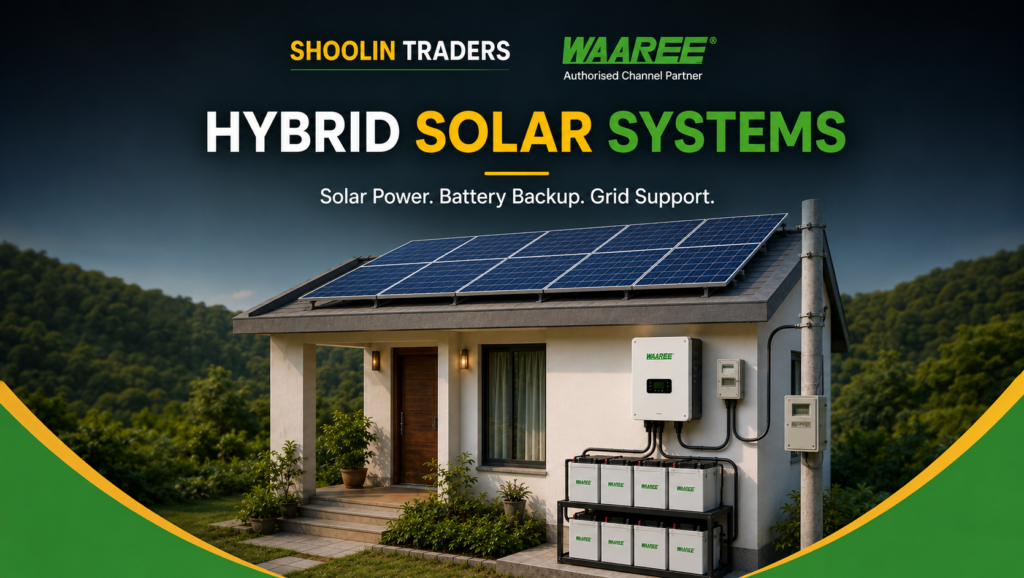
If outage operation is important alongside daytime savings, compare a hybrid solar system in Siliguri. Compatible batteries and configured essential circuits add flexibility but also cost and maintenance considerations. If the requirement is standalone operation at a remote site, an off-grid solar system in Siliguri requires a different calculation of stored energy and load priorities.
For execution planning, see solar panel installation in Siliguri. The broader solar services page also covers assessment and support enquiries. Selecting architecture around actual operating needs prevents a purchase driven only by the largest panel capacity or the lowest initial quote. Review the tradeoffs before confirming the equipment list.
Frequently asked questions
Will an on-grid system eliminate every electricity charge?
No. Results depend on consumption, generation and the approved billing arrangement. Some charges may remain even when solar supplies a substantial share of energy.
Can an on-grid system run appliances during a blackout?
A standard grid-tied system does not provide blackout backup. Discuss storage, essential circuits and the appropriate inverter architecture if this is required.
What should I send with my enquiry?
Send your property location, recent consumption history, operating hours and roof information through Contact Shoolin Traders. Read about the team and the main solar panel company in Siliguri page for context. Request a proposal that separates equipment scope, generation assumptions and connection responsibilities.